
 There are three main types of insulation – fiberglass batts, blown in fibers (cellulose or fiberglass), and spray foam. They are all commonly used to insulate attics. Blown in fibers do a better job than batt insulation because the small fibers settle into small areas, thus providing a more consistent coverage. Spray foam insulation is often installed on the roof deck. This is extremely advantageous when there is ductwork located in the attic space, as the ducts will no longer be running through the extreme temperatures seen in a vented attic.
[youtube]http://youtu.be/N4hCIS9Ce8Y[/youtube]
What is R Value?
R-value is how the effectiveness of insulation is measured. The higher the R-value, the better the material is at slowing down the transfer of heat. The rated R-value of an insulation material is only achieved when properly installed. This is why fiberglass batt insulation is on the bottom of my list. In order for batts to work, they must be touching the ceiling everywhere, which is often quite difficult, if not nearly impossible in a house with lots of wires and/or debris. If there are gaps or voids, the effective R-value plummets. The current building code (zone 4) requires an R-value of 38 in the attic.
How will upgrading the insulation increase the home’s energy efficiency?
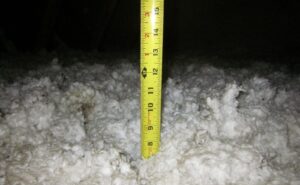 Upgrading insulation is probably one of the wisest investments a homeowner can make. Insulating the top and bottom of a home not only reduces energy bills, but also makes the home much more comfortable! If you have little or no insulation in the floors and attic of your home, you will notice a dramatic increase in your home’s performance after these surfaces are insulated.
If one of your goals is to reduce energy usage, you should look beyond the insulation itself, and make sure these soon-to-be-insulated surfaces are also air tight. Air leakage from the home into the attic (and/or from the crawlspace into the house) can be responsible for more energy loss than the lack of insulation. If the air leakage is not eliminated, warm air from the house can float right through the insulation, carrying your energy dollars right out the roof!
If you have ductwork in the attic, you are also losing a lot of energy ($) from the transfer of heat through the ductwork into the attic. We see a lot of uninsulated ductwork in homes built before the 70’s. Due to the extremely high temperature difference between the attic air and the air inside your ducts, the overall heat transfer is much higher than that of the ceiling surface in the house (heat flow varies in direct proportion to the temperature difference across the surface). For some reason, ducts are only required to be insulated to roughly R-6. This is why it makes sense to bring the ductwork inside the thermal envelope, by insulating the roof deck with foam insulation. Now the ductwork is inside the thermal envelope, which equates to not heating the entire neighborhood with your radiating ductwork.
Does the old insulation need to be removed or can the new insulation be placed on top of the old insulation?
It depends on what type of insulation is currently there. If there are crumpled up fiberglass batts that may cause air pockets between the sheetrock ceiling and the new insulation layer, then the batts should be removed. If you already have blown-in insulation, I recommend air-sealing the ceiling, and then installing more blown-in insulation.
If you’re going to have spray foam installed on the roof deck, turning the attic into a conditioned space, you don’t necessarily have to remove the old insulation. Some homeowners opt to have it removed for air quality purposes or to achieve a lower attic temperature in the summer (if being used for storage of heat sensitive valuables).
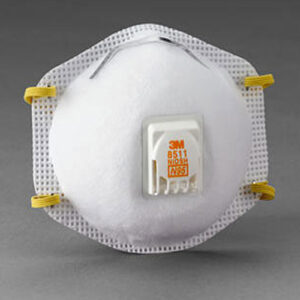 What safety precautions should be taken when installing insulation?
- Fiberglass – Wear gloves, mask, and goggles to keep the tiny shards of glass from irritating your skin, or getting into your lungs/eyes.
- Cellulose – Wear goggles and a mask. If you’re installing this yourself, anticipate a very dusty environment. Most professional installations involve a small amount of water to keep the dust levels down during installation.
- Spray foam – Spray foam is only installed professionally. Installers wear full-coverage gear to protect themselves from foam particulates during installation.
What tools are needed for this project?
- Fiberglass batts – Protective gear and razor knife
- Cellulose – Protective gear, razor knife, and blower
- Spray foam – Professionally installed only
- Air-sealing (to be done with any of the above) – Caulk and/or “Great Stuff” (foam in a can)
What is the proper way to install insulation?
The most important aspects to insulation installation are:
- The insulation touches the entire surface that you’re trying to insulate.
- There are no gaps or voids in the insulation coverage. The most common void is the attic access panel or staircase. An uninsulated attic hatch can cut the average R-value of your ceiling in half! Full coverage is key.